

Taper vs Fade: Skin Fade vs Taper Fade — Which Haircut Wins?
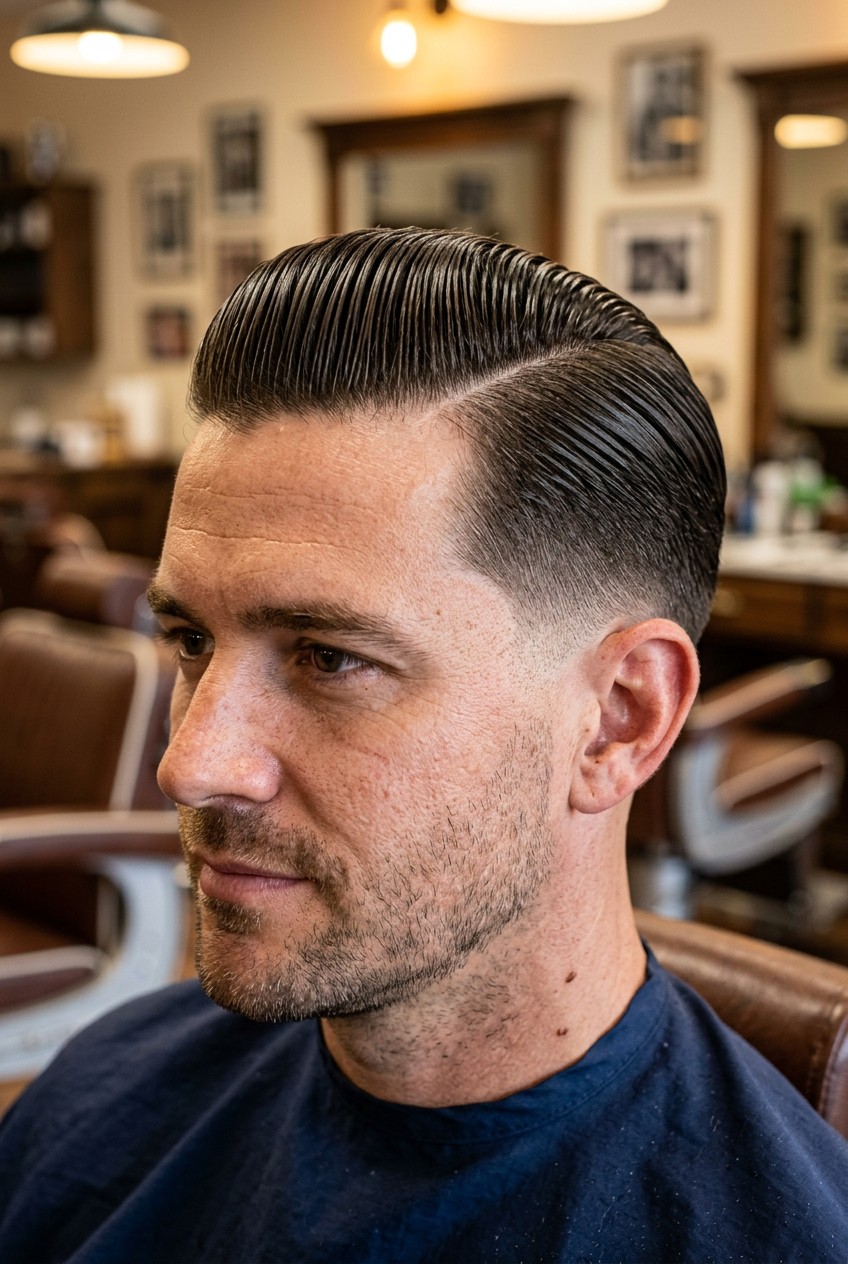
Discover the nuanced distinctions between taper and fade haircuts, and learn how to choose the perfect style to complement your individual look. This comprehensive guide delves into the specifics of each technique, helping you understand what to ask for at your next barber appointment.
Understanding Haircuts: Fade vs Taper
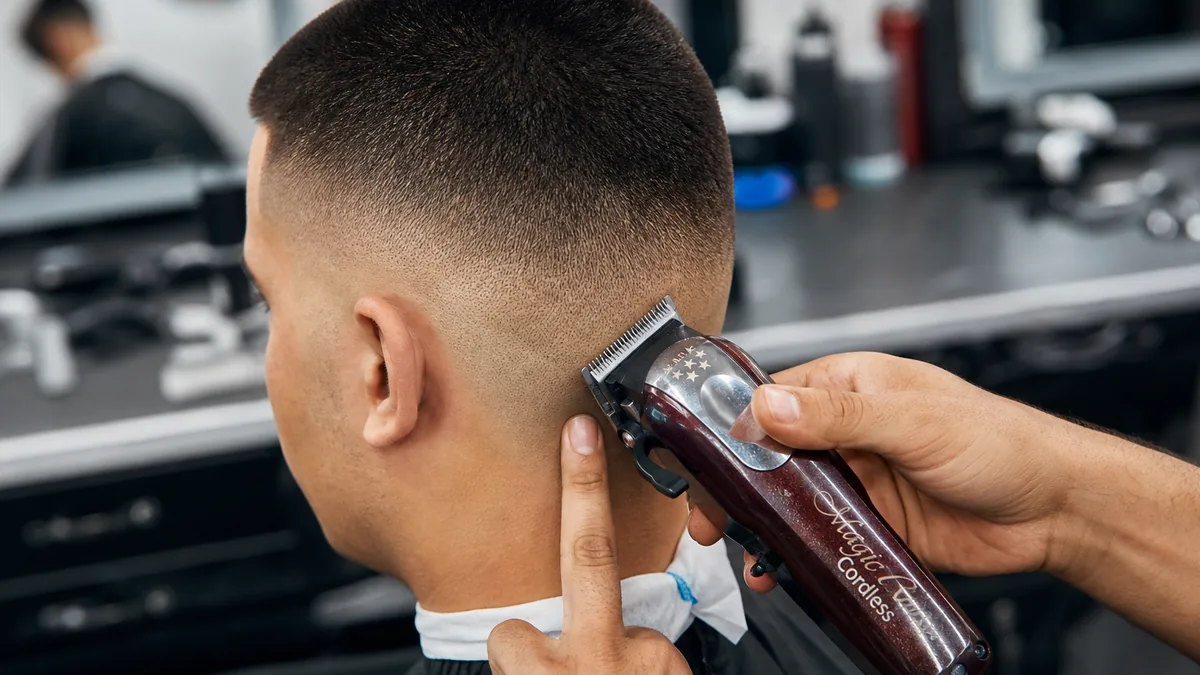
Defining Fade Haircut
A fade haircut is characterized by a gradual reduction in hair length, starting from a longer length at the top and progressively shortening down the sides and back of the head. This transition typically becomes much shorter, often blending into the skin or bare skin around the ears and neckline, creating a striking contrast with the longer hair on top. Different types of fades, such as a low fade, mid fade, high fade, or drop fade, dictate where the fade starts on the scalp and how dramatically the hair length changes.
Defining Taper Haircut
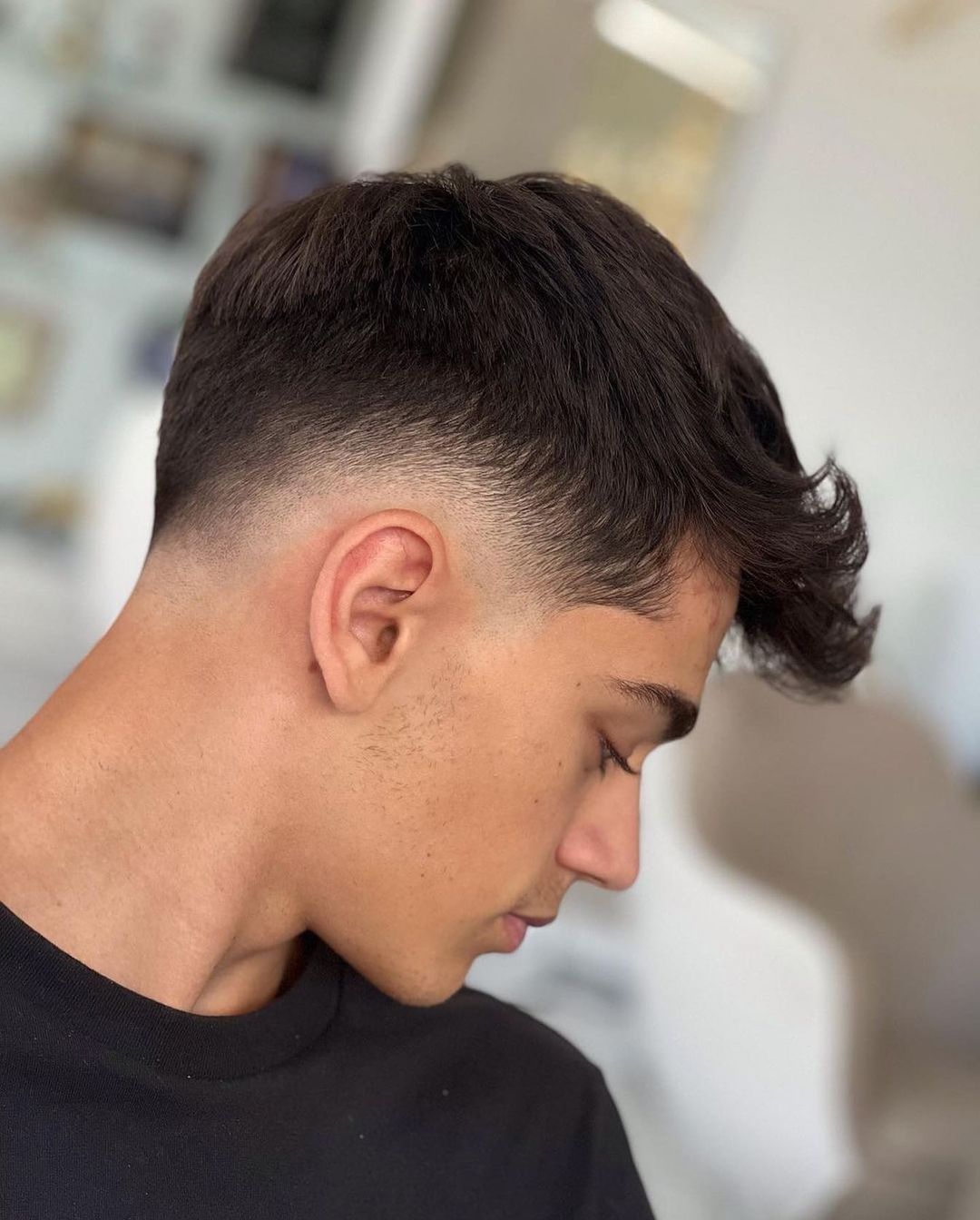
A taper haircut, while similar to a fade in its gradual reduction of hair length, maintains a generally longer aesthetic on the sides and back, even at its shortest point. The hair gradually shortens from the top down, but instead of blending into bare skin like a fade, a taper often leaves some visible hair around the ear and at the neckline. It’s a subtle and classic taper that offers a clean, refined look without the stark contrast associated with many fade styles. The hair grows out smoothly without harsh lines.
Key Differences Between Taper and Fade
The fundamental difference between a taper and a fade lies in the severity and extent of the hair length reduction. A fade haircut, particularly a skin fade or bald fade, sees the hair on the sides and back blend down to bare skin, offering a dramatic and edgy appearance. In contrast, a taper haircut, often called a classic taper, maintains some length even at its shortest point, providing a more conservative and traditionally neat finish. Understanding the difference is crucial when deciding between a taper vs. fade haircut, considering your desired hair length and overall aesthetic.
Types of Fades and Tapers
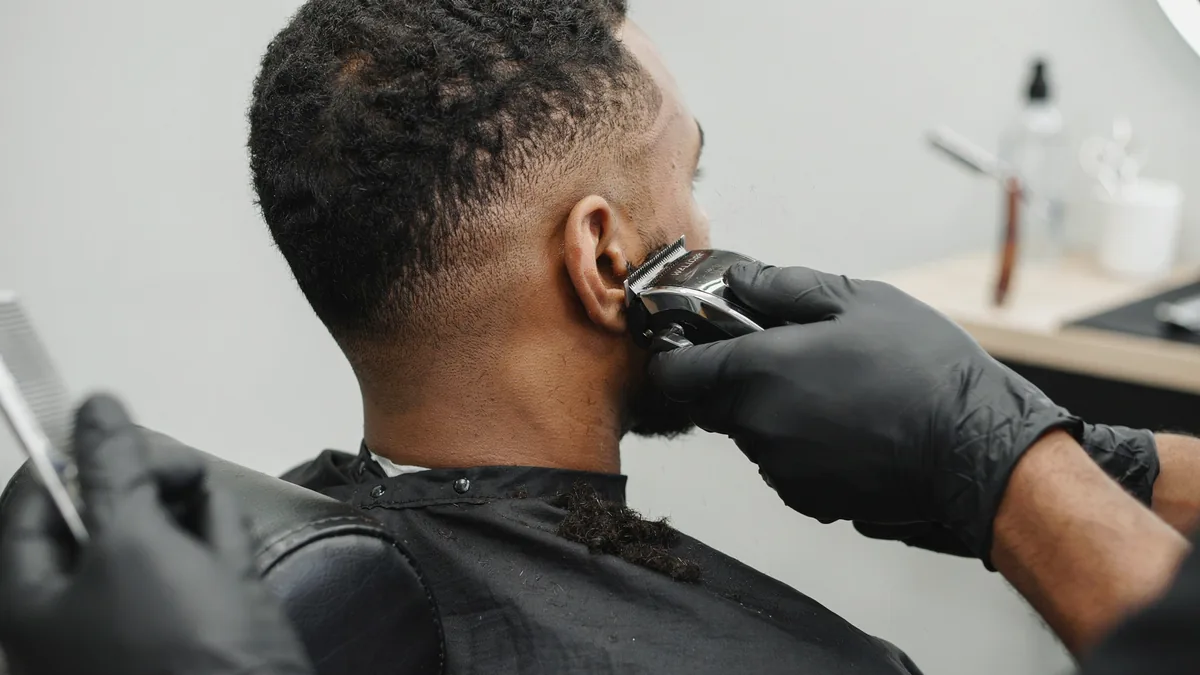
Skin Fade: What You Need to Know
A skin fade, also frequently referred to as a bald fade, represents one of the most dramatic fade haircut styles available, where the hair gradually shortens until it completely blends into the bare skin of the scalp. This specific fade often starts very low on the back of the head and around the ears, creating a bold, clean aesthetic. When asking for a skin fade, clients should communicate their desired fade height to their barber, as this haircut can range from a low fade to a high fade, significantly impacting the overall look and how the hair on top integrates with the short hair on the sides and back. The stark contrast between the longer hair on top and the closely shaven sides makes it a popular choice for those seeking a modern and edgy appearance.
Taper Fade: An Overview
The taper fade haircut offers a sophisticated blend of the classic taper and the contemporary fade, providing a versatile option that appeals to a wide range of preferences. Unlike a traditional skin fade, a taper fade often leaves a very short stubble rather than going down to bare skin, creating a softer transition while still achieving that signature fade effect. A taper fade typically focuses on the hair around the ear and the neckline, gradually shortening the hair from long to short without the sharp contrast of a bald fade. This style can be adapted to a low taper, a mid fade, or even a high taper, making it an excellent choice for individuals who desire a clean, refined look that is less aggressive than a full skin fade but more distinct than a simple classic taper.
Mid Fade: Characteristics and Styles
A mid fade haircut strikes a perfect balance between the bold statement of a high fade and the subtle elegance of a low fade, with the fade line starting roughly halfway up the sides and back of the head. This strategic placement allows for significant hair length reduction without exposing too much of the scalp, making it a versatile option that complements various face shapes and hair types. Whether combined with a skin fade element or a more gradual taper, a mid fade creates a harmonious blend from the longer hair on top to the shorter hair on the sides and back. Barbers often recommend a mid fade for clients seeking a modern yet professional look, as it offers enough distinction to be stylish while maintaining a polished appearance that is suitable for diverse settings.
Choosing the Right Haircut
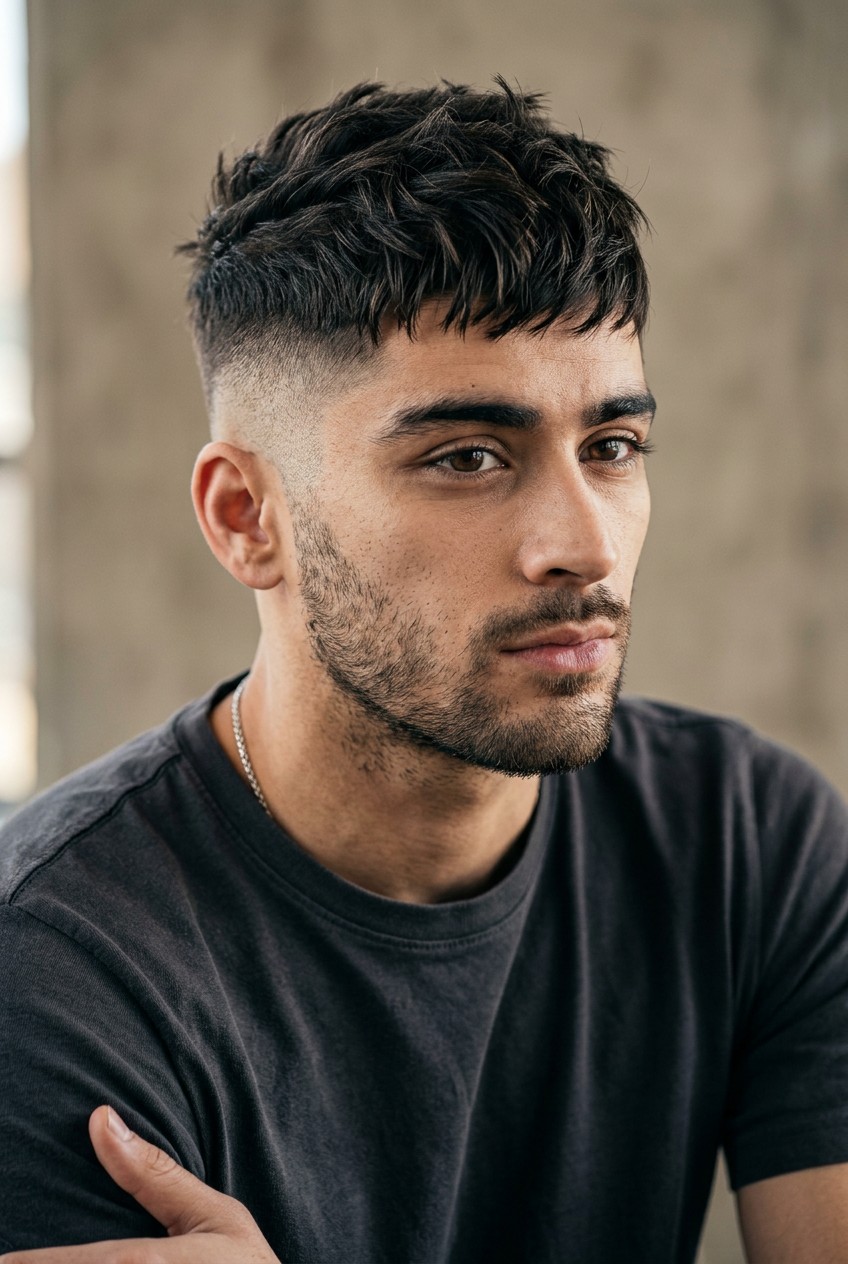
Factors to Consider: Face Shape
When deciding between a taper and fade haircut, one of the most crucial factors to consider is your face shape. Certain fade and taper styles can enhance or soften facial features, making the right choice paramount for a flattering look. For instance, a high fade or a skin fade can elongate a rounder face, providing more structure to the sides and back, while a softer low taper or a low fade might be more suitable for angular faces, as it avoids adding further sharpness. Understanding how different hair lengths and where the fade starts on the scalp interact with your unique bone structure is key to selecting the ideal taper or a fade that complements your overall appearance and desired aesthetic, ensuring the haircut balances your features.
Factors to Consider: Hair Type
Your hair type plays a significant role in determining how well a taper or fade haircut will lay and maintain its shape. Thicker hair can hold more dramatic transitions, making a bold skin fade or a high fade an excellent choice, as the sheer volume allows for a striking contrast between the longer hair on top and the shorter hair on the sides and back. Conversely, finer hair might benefit more from a softer low taper or a gradual taper fade, where the subtle transition from long to short hair is less demanding on the hair’s density. Discussing your specific hair type with your barber is essential; they can advise on how the hair grows and which haircut, be it a classic taper or a modern fade, will best suit your hair’s natural texture and growth pattern, ensuring the desired hair length and style are achievable.
How to Choose Between a Taper vs Fade
The decision to choose between a taper vs. fade haircut often comes down to personal style, desired level of contrast, and the occasion. A taper is a cut characterized by a more subtle reduction in hair length, offering a sophisticated and classic taper aesthetic that is often preferred for professional settings or those seeking a conservative look. On the other hand, a fade haircut, especially a skin fade or bald fade, provides a more dramatic difference between the hair on the sides and back and the longer hair on top, creating a bolder, more contemporary statement. When considering a taper vs. fade, think about the impact you want to make and how much of your scalp you’re comfortable exposing; a fade and taper both offer distinct styles, but the fade generally starts much lower and blends into the skin more intensely.
Barber Tips for Taper and Fade Haircuts
Finding the Right Barber for a Taper
Finding the right barber for a taper haircut is crucial, as the precision and skill required to execute a perfect classic taper or a subtle low taper are considerable. A skilled barber understands the nuances of hair length transitions and how the hair gradually shortens around the ear and at the neckline, ensuring a clean, polished finish. When seeking a barber for a taper, look for someone who specializes in traditional men’s haircuts and has a portfolio showcasing their work with different lengths and styles. Don’t hesitate to ask for recommendations or observe their technique with other clients to ensure they can deliver the refined, gradual reduction in hair length that defines a well-executed taper haircut, making your hair grow out smoothly.
Communicating Your Desired Fade Cut
Effectively communicating your desired fade cut to your barber is paramount to achieving the look you envision. Whether you want a skin fade, a mid fade, a high fade, or a low fade, clarity is key. Bring reference photos of the specific fade and taper styles you like, pointing out where you want the fade to start and how much of the scalp you want exposed. Clearly state the desired hair length for the longer hair on top and how dramatically you want the hair on the sides and back to transition to short hair or bare skin. Discuss the different lengths and the type of fade cut you’re seeking, as this open dialogue ensures your barber understands whether you prefer a classic fade, a modern bald fade, or a unique taper fade haircut tailored to your preferences, avoiding any misunderstanding of the difference.
Maintaining Your Haircut: Taper vs Fade
Maintaining your haircut, whether it’s a taper or a fade, is essential for preserving its crispness and style. A fade haircut, particularly a skin fade or a high fade, typically requires more frequent visits to the barber to keep the sharp contrast between the longer hair on top and the short hair or bare skin on the sides and back. The fade starts to lose its definition as the hair grows out, necessitating regular trims. In contrast, a classic taper or a low taper, with its more gradual reduction in hair length, can often go longer between appointments, as the hair blends more seamlessly. Discuss with your barber the ideal maintenance schedule for your chosen taper vs. fade style, considering how quickly your hair grows and your desired hair length to keep your fade and taper looking its best.